If you have practiced Vinyasa, Hatha, or Yin, you already know yoga can look and feel very different depending on the style. Kundalini Yoga stands out because it organizes postures, breath, mantra, and meditation into precise kriyas—structured sequences designed to create specific effects, such as building energy, increasing resilience, or sharpening focus.
Estimated reading time: 4 minutes
Table of contents
Rather than emphasizing long posture holds or flowing choreography, Kundalini Yoga often feels like rhythmic mind–body training. In a single class, you might chant, breathe at specific tempos, keep a steady eye focus, and move or hold postures in timed sets. Many students describe this approach as both efficient—because sequences are targeted—and transformational—because the practice works on breath, attention, and emotion at the same time.

What Sets Kundalini Yoga Apart
The unique structure of Kundalini Yoga creates an experience unlike other forms of yoga. Each class centers on a kriya with a clear purpose, whether balancing the nervous system or boosting mental clarity. Breathwork plays a central role. Techniques such as Long Deep Breathing and Breath of Fire deliberately shift physiological states. Research on yogic breathing suggests these practices regulate stress responses and support the nervous system.
Mantra and sound also shape the practice. Simple sounds like “Sat Nam” or more complex meditations such as Kirtan Kriya help synchronize breath and focus the mind. Brain-imaging studies show that chanting mantras like “OM” can quiet brain regions linked to stress and emotional reactivity.
In addition, Kundalini Yoga uses eye focus (drishti) and hand positions (mudras) to steady attention and strengthen the mind–body connection. Many kriyas end with short meditations—often between three and eleven minutes—targeted for outcomes such as better sleep, improved focus, or emotional balance.
What the Science Says About Kundalini Yoga
Research on Kundalini Yoga is growing, and studies suggest meaningful benefits for both mental and physical health.
Anxiety and stress relief: Clinical studies show that regular Kundalini Yoga practice can significantly reduce anxiety symptoms. Participants often report greater calm, improved emotional balance, and lower levels of stress.
Cognition and mood: In older adults with mild cognitive impairment, a Kundalini Yoga program featuring Kirtan Kriya meditation improved memory, executive function, and resilience. Participants also experienced better mood and quality of life, with benefits that lasted over time.
Trauma and emotional healing: Research on Kundalini Yoga for trauma and post-traumatic stress disorder (PTSD) shows promising results. Several trials found that consistent practice reduced PTSD symptoms and improved emotional regulation. A recent meta-analysis confirmed that yoga, including Kundalini Yoga, can play a supportive role in trauma recovery.
Why It Works: What makes Kundalini Yoga Different
Kundalini Yoga seems effective because it trains both physiology and attention. Repetitive mantra quiets brain regions involved in rumination and threat detection, creating a calmer mental baseline. Controlled breathing techniques shift the nervous system, improving stress recovery, sleep, and emotional balance. When combined, these tools create a practice that works on multiple levels at once.
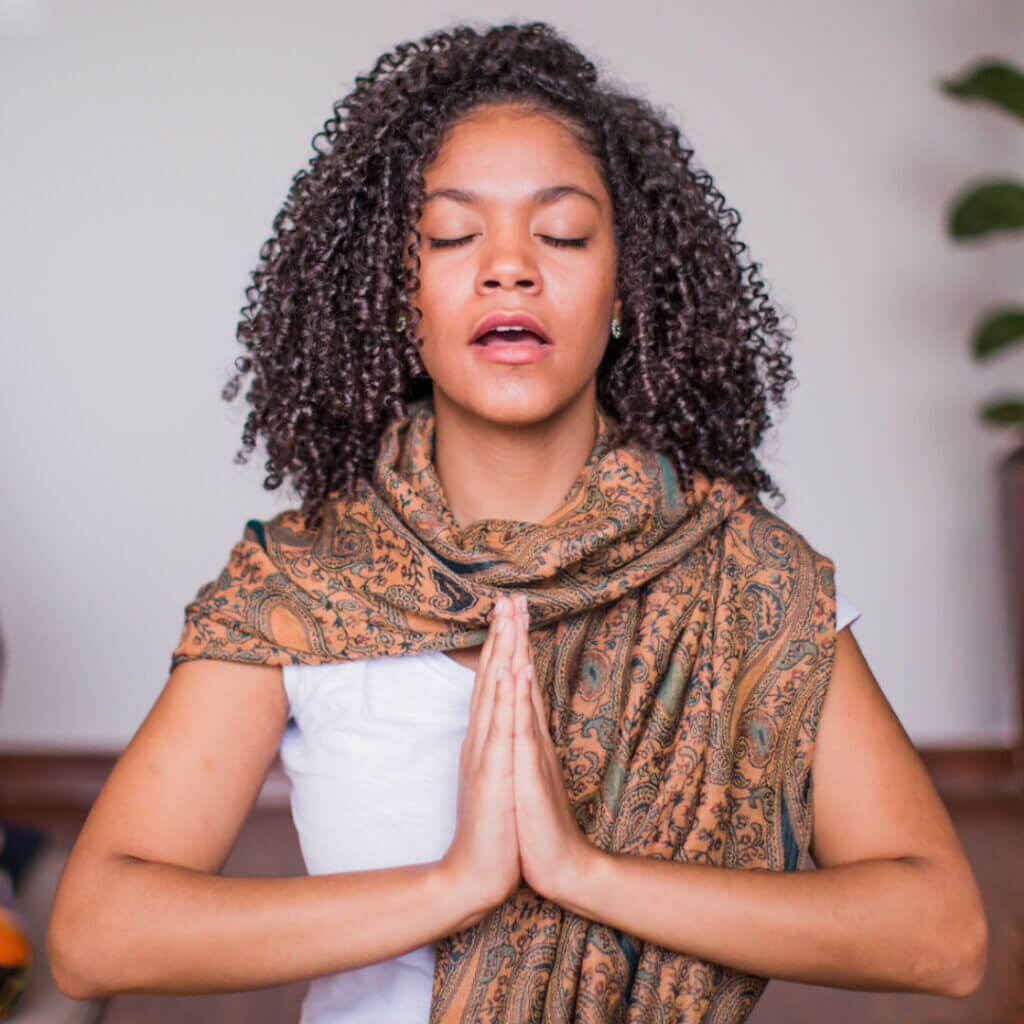
Guidance for Your Practice
If you are new, start small. Try a short meditation such as Kirtan Kriya for eleven minutes a day. Notice how your focus or mood shifts after six to eight weeks. The clear structure of Kundalini practices makes it easier to stay consistent.
For clinical conditions such as anxiety or PTSD, Kundalini Yoga can support healing but should not replace medical care. Research suggests it works best alongside therapies like CBT and professional guidance.
Breathing practices also require care. Strong techniques such as Breath of Fire may not suit everyone. If you are pregnant, have cardiovascular concerns, or feel lightheaded, use gentler breathing and consult both a teacher and a clinician.
The Inner Work
Kundalini Yoga is different because it is systematic. It combines breath, mantra, movement, and meditation in precise sequences that influence body and mind together. Early research suggests benefits for anxiety, cognition, mood, and trauma recovery, while also recognizing its limits. If you want a practice that feels purposeful and efficient—one that engages breath, mind, and body at once—Kundalini Yoga offers a kriya-based approach that is both practical and transformative.
More Frequently Asked Questions
- Can Kundalini Yoga Change Your Life?
- How Kundalini Yoga Works
- Is Kundalini Yoga a Religion?
- Is Kundalini Yoga Dangerous?
- Is Kundalini Yoga Hard?
- Kundalini Awakening
- Kundalini Yoga Benefits
- When Was Kundalini Yoga Invented?
- Where Did Kundalini Yoga Originate?
- Who invented Kundalini Yoga
Your experience is important!
Share your wisdom with others like you. Leave your comment below