A yogic diet is a traditional approach to food used in Kundalini Yoga that focuses on simple, natural, and easy-to-digest meals that support physical health, mental clarity, and energy balance. This way of eating emphasizes fresh, high-prana foods that nourish the nervous system, glandular system, and overall vitality while supporting meditation and conscious living.
In daily practice, a yogic diet encourages mindful eating habits, regular meal timing, and food choices that sustain steady energy rather than stimulation or heaviness. Over time, this approach helps practitioners maintain emotional balance and stable awareness.
“To begin with, all food was considered as human medicine. Food is the medicine which creates equilibrium”.
– Yogi Bhajan
In this article I want to walk you through the yogic diet — what it is, how it works, why it matters — blending his teachings with Ayurveda, Humanology, yogic lifestyle principles, and even modern nutritional science.
Estimated reading time: 11 minutes
Table of contents
- What Is a Yogic Diet?
- Core Principles of the Yogic Diet
- What Yogi Bhajan Taught About Food and the Yogic Diet
- Structure of a Yogic Meal
- Special Yogic Recipes Taught by Yogi Bhajan
- Beet-Carrot Casserole
- Celery Juice Fasting Drink
- Healing and Cleansing through Yogic Diet
- Food, Emotions and the Mind
- Daily Rhythm and Seasonal Eating
- The Spiritual Dimension of Food
- Yogic Diet and Modern Life
- Yogic Herbal and Healing Remedies
- Frequently Asked Questions

What Is a Yogic Diet?
In the words of Yogi Bhajan, a yogic diet is simple, natural and sattvic. It’s rooted in the practices of Kundalini Yoga and the field of Humanology: food as fuel not only for physical health, but for the glandular system, aura, subtle bodies, meditation and spiritual clarity.
Yogi Bhajan emphasised that the body is our vehicle for consciousness, and eating becomes one of the most intimate ways we either elevate vibration or dull our channels. While a yogic diet shares much with an Ayurvedic diet, there are distinctions: lacto-vegetarian in orientation, emphasising digestibility, high prana (life force) foods, and excluding heavy, processed, overly stimulating or toxic foods.
“Eat to live, don’t live to eat,” was a central phrase—that food supports life, energy and service rather than indulgence or habit.
Core Principles of the Yogic Diet
Sattvic, Rajasic and Tamasic Foods
In yogic and Ayurvedic philosophy, foods are classified by their gunas (qualities). Sattvic foods are light, pure, pranic—supporting clarity, vitality and intuition. Rajasic foods are stimulating or agitating; tamasic foods are heavy, dulling, low in life force.
For a yogic diet, the focus is overwhelmingly on sattvic. That means: fresh fruits and vegetables, whole grains, legumes, light dairy (in yogic tradition), good fats, minimally processed foods.
In yogic and Ayurvedic philosophy, foods are classified according to the three gunas, or qualities of nature.
- Sattvic foods: are light, pure, and rich in prana — they promote clarity, vitality, harmony, and a calm, meditative mind.
- Rajasic foods: are stimulating, fiery, and energizing. They awaken ambition, passion, and drive, but when taken in excess can agitate the nervous system, creating restlessness or irritability. Rajasic energy is useful for action and engagement with the world, yet it needs to be balanced with sattva for true stability.
- Tamasic foods: are heavy, dulling, and low in life force. They slow down the body and cloud the mind, leading to lethargy, inertia, or confusion when overused.
- Examples
- Sattvic: basmati rice, mung beans, steamed greens, fresh fruit, almonds, homemade yoghurt, and ghee in moderation.
- Rajasic: garlic, onions, chili peppers, coffee, strong teas, pickles, and heavily spiced curries.
- Tamasic: stale leftovers, deep-fried fast food, excessive sweets, alcohol, red meat, and refined flour products.
Conscious Eating
When it comes to a yogic diet, how you eat is as important as what you eat. Yogi Bhajan emphasised the state of mind at meal time: slow, mindful, grateful. Bless your food with a mantra, we often used 3 Long Sat Nam´s, eat without distraction (no TV, no phone, no hurried multitasking), sit quietly, chew consciously and allow your system to absorb more than just nutrients—absorb energy, vibration, gratitude.
Cooking with devotion, serving others, eating when hungry (not when angry or anxious) all connect to the yogic idea of food as vibration, as sacred.
Food as Vibration
This is one of my favourite threads—to treat food not just as calories but as vibration. The soil in which it’s grown, the hands that prepare it, the way it’s cooked, the atmosphere in which it’s consumed —all contribute to its subtle influence on your whole body and self. When you cook in service (seva) and bless the food, you raise the energy. Community kitchens (langar) in yogic tradition reflect this: shared nourishment, shared vibration and upliftment.
What Yogi Bhajan Taught About Food and the Yogic Diet
The Five Tattvas and Food
In his teachings, Yogi Bhajan often referenced the five tattvas or elements (Earth, Water, Fire, Air, Ether) and how they relate to our nutritional intake:
- Earth (protein, grounding foods)
- Water (minerals, fluids)
- Fire (spices, digestion, transformation)
- Air (greens, raw elements, light foods)
- Ether (fasting, lightness, empty space)
Balancing these elements through your meals supports glandular health, nervous system, metabolism and an holistic health through eating.
Yogi Bhajan’s Key Dietary Recommendations
- Adopt a vegetarian (lacto-vegetarian) diet with high prana—whole, fresh and simple.
- Avoid alcohol, recreational drugs, overly processed foods, refined sugars, white flour, refined salt. The idea: fewer toxins, less burden on the system.
- On the “three sacred roots” (ginger, garlic, onion): In many yogic cooking practices these are used because they are root energies—they support digestion, glandular health and immunity. For example, Yogi Bhajan said these roots would help detoxify internal organs and stimulate creative energy to manifest with stamina and motivation.
- Fasting, cleansing days, eating the main meal at midday (when digestion is strongest), lighter dinner—these are yogic rhythms of nutrition.
- “Eat when hungry, not when angry.” The emotional state influences digestion and prana.
Structure of a Yogic Meal
The Ideal Plate
A balanced yogic plate could be built like this: wholesome grains (e.g., basmati rice, quinoa, chapati), legumes (mung beans, lentils, chickpeas), lightly cooked or steamed vegetables, a portion of raw elements (salad or fresh fruit), healthy fats (especially ghee or cold-pressed oils in moderation), warming spices and finally an herbal tea for digestion.
This structure supports digestibility, prana and stable energy rather than spikes and crashes.

The Role of Ghee
In yogic diet tradition, ghee (clarified butter) occupies a highly valued role. It’s considered sattvic when used properly, a symbol of purity and lightness. Yogi Bhajan recommended ghee for mental clarity, healthy joints, good digestion and even for subtle body support.
From modern science: ghee has been shown to be rich in fat‐soluble vitamins (A, D, E, K) and omega-3 fatty acids. It has anti‐inflammatory effects, supports gut health, and aids the absorption of nutrients in other foods. For example, a study found ghee reduced serum triglycerides and cholesterol esters in certain groups. Of course, as always with fats, moderation matters.
Thus in yogic eating, ghee is used thoughtfully: a teaspoon or tablespoon, often cooked at low temperatures, sometimes added at the end of cooking to preserve its subtle benefits.
The Role of Spices
Spices in a yogic diet are not mere flavour enhancers—they are medicine, energetics, metabolism boosters. Turmeric, coriander, cumin, cardamom, ginger, clove—these support digestion, circulation, immunity, glandular health. For example, ginger warms, stimulates agni (digestive fire); turmeric is anti‐inflammatory; cardamom supports lungs and nervous system. The way these spices are used—with respect, in small amounts, consciously—makes the difference between a heavy meal and a light, pranic meal.
Special Yogic Recipes Taught by Yogi Bhajan
If you want to dive deep in many yogic recipes, you can see them in this special section of the website
Here we share some of the classic recipes:
- Golden Milk (Turmeric Milk) – warm milk or nut milk base, turmeric, cardamom, a little almond oil, honey if needed; deeply soothing before meditation.
- Yogi Tea – a special blend including cinnamon, ginger, cardamom, black pepper, clove and milk or plant milk. Original full recipe found in the 3HO recipe collection.
- Mung Beans and Rice (Kitchari) – a foundational cleansing meal: mung beans (soaked), basmati rice, mild spices, ghee; easy to digest, deeply balancing.

Beet-Carrot Casserole
Light steamed root vegetables, ginger, finished with ghee; supports circulation, liver, detox.
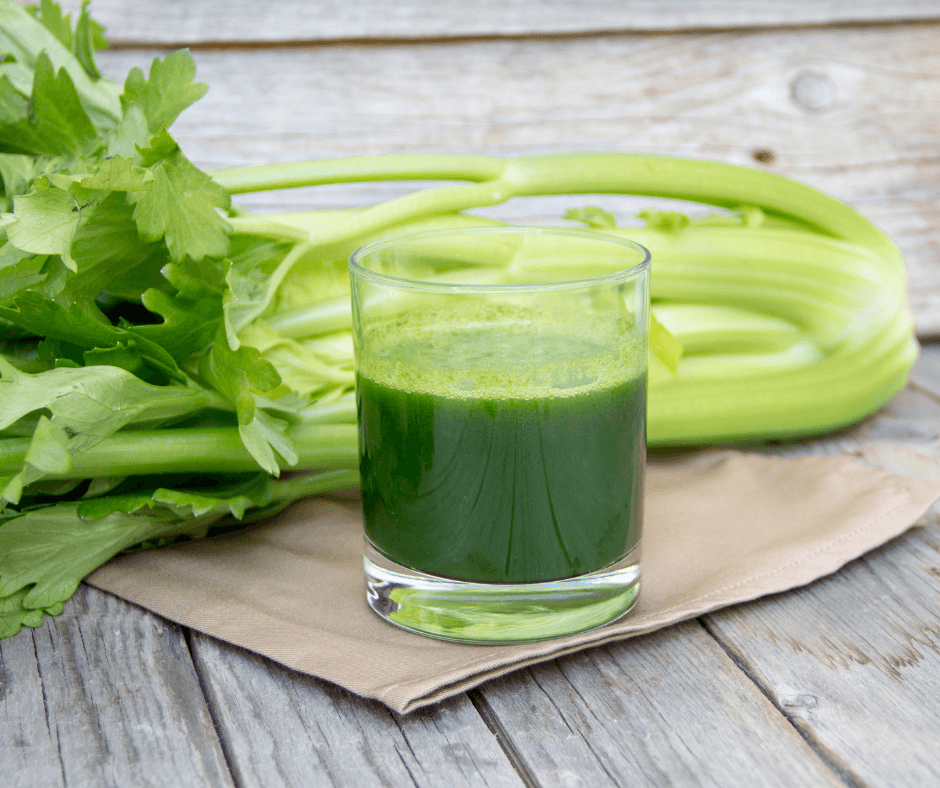
Celery Juice Fasting Drink
Simple, raw juice for a light cleanse day.
Healing and Cleansing through Yogic Diet
Mono Diets and Fasts
In the yogic lifestyle fasting is not deprivation but a conscious, energetic tool. Periods of mono-diets—such as mung beans and rice only, banana fasts, watermelon fasts, liquid diets for three days—are taught to reset the body, clear toxins, open awareness, and let prana circulate freely.
Food, Emotions and the Mind
We often separate food and mood, but in yogic terms they are inseparable. The adage “emotions sit in the stomach” points to how digestion, gut health, food quality and emotional states interlink. When you eat heavy, processed, emotionally charged foods (e.g., eating out of anger, stress or comfort), your digestion suffers, the nervous system dampens, prana is blocked. Conversely, when you eat lightly, consciously, in gratitude, you support peace of mind, meditative capacity, clarity.
Sugar and refined carbohydrates often send emotional circuits into loops of craving, adrenaline, crash and repeat. A yogic diet counters that by grounding you in stable energy, supporting the glandular system (thyroid, adrenals, pituitary) and allowing the mind to settle. You learn to eat for peace—not for stimulation.
Cooling foods (like fresh melon, coconut water, steamed greens) calm the emotions; warming foods (like ginger, garlic, onion, spices) support digestion and transformation. By choosing appropriate food for emotional balance, we nourish more than the body: we nourish the entire being.
Daily Rhythm and Seasonal Eating
In the yogic tradition, rhythm matters. Your main meal at midday (when digestion is strongest), a lighter meal in the evening, minimal snacking, sufficient rest—all support energy flow. Spring and fall are seasons of cleansing; in those times, foods like fresh greens (in spring), root vegetables (in fall/winter) help align your body with nature’s cycles. Seasonal eating is intrinsic: when you eat what grows nearby and now, your food carries more prana and your system aligns with the larger rhythms of Earth and cosmos.
The Spiritual Dimension of Food
One of the most profound aspects of the yogic diet is this: “What you eat becomes your mind.” When you regard food as prayer, cooking as meditation, the kitchen as altar, you transform an everyday act into a spiritual one. According to yogic teachings: the law of karma applies to food—you are what you take in, energy and consciousness included. Food cooked with love, intention and service becomes gift not mere fuel. Feeding others becomes seva (selfless service). The vibration of the meal ripples outwards—so many of the greatest yogic kitchens became community kitchens, offering nourishment, spiritual upliftment and connection.
Yogic Diet and Modern Life
How do you apply an ancient yogic diet in today’s modern, fast-paced world? With intention and flexibility. If you’re travelling, working long hours, or managing social commitments, there are ways to adapt: choose whole, minimally processed foods; pack simple meals like cooked legumes and grains; drink herbal teas instead of caffeine or overly stimulating drinks; pause for a few breaths before eating, bless your food, eat without distraction where possible. If you follow vegan, gluten-free, or plant-based paths, you can absolutely adapt yogic principles—just ensure your meals remain high‐prana, easily digestible, and aligned with sattvic quality. Also important: sustainability. Conscious sourcing, organic produce, fair food systems—when we honour the Earth, we honour ourselves.
Yogic Herbal and Healing Remedies
A yogic diet often incorporates herbal supports and subtle remedies:
- Ginger-lemon-honey tonic (for digestion and immunity)
- Yogi Tea replace the common coffee, gives a boost of energy and strong nervous system
- Triphala (Ayurvedic blend) for digestive cleanse
- Aloe vera juice or gel for internal cleansing
- Garlic milk (for immunity)
- Herbal teas tailored to each season or dosha: cooling mint/cilantro in summer, warming cinnamon/clove in winter
These help maintain the subtle body and physical body in harmony.

Frequently Asked Questions
Yes — in many yogic traditions, light dairy (fresh yogourt, milk, ghee) is included, especially when digestion allows and when it supports glandular and nervous health. Yogi Bhajan’s tradition often includes dairy but avoids eggs, fish or meat.
You can absolutely adopt the yogic diet through a vegan lens—just emphasize the same principles: whole, unprocessed, high-prana, light, consciously prepared foods.
Begin by gradually removing processed foods, refined sugar, heavy meats; increase fresh fruits, vegetables, whole grains, legumes; adopt mindful eating practices; add one cleansing or mono-day per week; bless your meals.
Before practice: something light if neccesary, choose something digestible, maybe a banana or soaked almonds; avoid heavy meals within two hours of active practice. After practice: moderate grain-legume dish, vegetables, a little ghee, herbal tea.
In the yogic diet as taught by Yogi Bhajan and the 3HO tradition, eggs and fish are excluded because of their heavier impact on the nervous and glandular system and the pranic vibration; the emphasis is on lacto-vegetarian foods and if you are vegan, you can make simple adaptations on the yogic recipes that have dairy.
Fasting is used as a tool—a 24-hour fruit/juice fast, a 3-day liquid diet, a 40-day commitment , or simple mono-day. It allows the system to rest, toxins to release, prana to flow more freely, and mind to still.
Ismael Lopez
DIFFIDENTLY ready to eat healthy.
Along with learning meditation techniques. Hopefully better control of my diabetes and possibly reverse diabetes.
Gurumeher Kaur Khalsa
Sat Nam Ismael, thank you for reading!