Introduction: What Is Meditation in Kundalini Yoga?
The word meditation often evokes images of serene stillness and empty thoughts. Yet in Kundalini Yoga meditation, the mind is not forced into silence. Instead, it is guided, trained, and refined through a precise combination of posture, breath, mantra, and focus. Meditation in Kundalini Yoga is both practical and profound, a technology that clears the subconscious, strengthens intuition, and awakens the awareness of the soul.
To meditate is not to escape life but to engage with it more deeply. It is a process of cleansing the mind so that the light within shines unobstructed. In the words of the tradition, prayer is when a human speaks to the Infinite, while meditation is when the Infinite speaks back to the human.
Estimated reading time: 7 minutes
Table of contents
- Introduction: What Is Meditation in Kundalini Yoga?
- The Nature of the Meditative Mind
- Meditation as Mental Cleansing
- The Variety and Precision of Kundalini Yoga Meditations
- Preparing for Meditation
- The Process of Meditation: Patience and Practice
- The Science of Time in Meditation
- Cycles of Commitment: Building New Patterns
- Meditation as Daily Sadhana
- The Role of Mantra in Meditation
- The Transformative Power of Meditation
- Conclusion: Living with a Meditative Mind

The Nature of the Meditative Mind
Kundalini Yoga views the mind as a servant of the soul. The mind generates thousands of thoughts each second, most of them unprocessed, random, or habitual. When one sits in meditation, these thoughts surge forward like waves on the shore. At first, they may seem distracting or even overwhelming. Yet the very act of observing and letting them pass begins the cleansing.
In this process, the mantra plays a vital role. By repeating sacred sound, the practitioner gives the mind a rhythm and anchor. Instead of wrestling with the endless stream of thoughts, the mantra processes them, reshaping neural pathways and soothing the nervous system. Science now recognizes that rhythmic sound and breath can harmonize brain hemispheres, reduce stress responses, and even regulate the vagus nerve.
As the thoughts pass and the rhythm deepens, a space of stillness emerges. This is the meditative mind: calm, clear, receptive, and elevated.
Meditation as Mental Cleansing
Meditation in Kundalini Yoga acts as a mental detox. In the first few minutes, the most distracting, even unpleasant thoughts often arise. Anger, old fears, or random fragments surface like sediment stirred from a riverbed. If the practitioner remains steady, these thoughts pass, never to lodge in the subconscious again.
With regular practice, the process accelerates. The bombardment of thoughts shortens, the inner comfort lengthens, and meditation becomes a refuge of peace. It is not always blissful—sometimes it feels uncomfortable as old patterns release—but every session removes another layer of obscuration.
This cleansing effect explains why meditation is both a discipline and a liberation. The discipline lies in sitting, breathing, and chanting. The liberation is in the relief that follows when the subconscious no longer weighs down the spirit.
The Variety and Precision of Kundalini Yoga Meditations
What sets Kundalini Yoga meditation apart is its extraordinary range and precision. Yogi Bhajan transmitted hundreds of meditations, each designed for a specific purpose. Some reduce stress, others address addictive behaviors, others balance the glandular system, strengthen the lungs, or awaken compassion.
The diversity of techniques is vast, yet each is practical and accessible. Whether using breath, mantra, mudra, or silent awareness, every meditation functions like a finely tuned key, unlocking particular effects within the human system. The specificity ensures that meditation is not vague aspiration but concrete transformation.
Preparing for Meditation
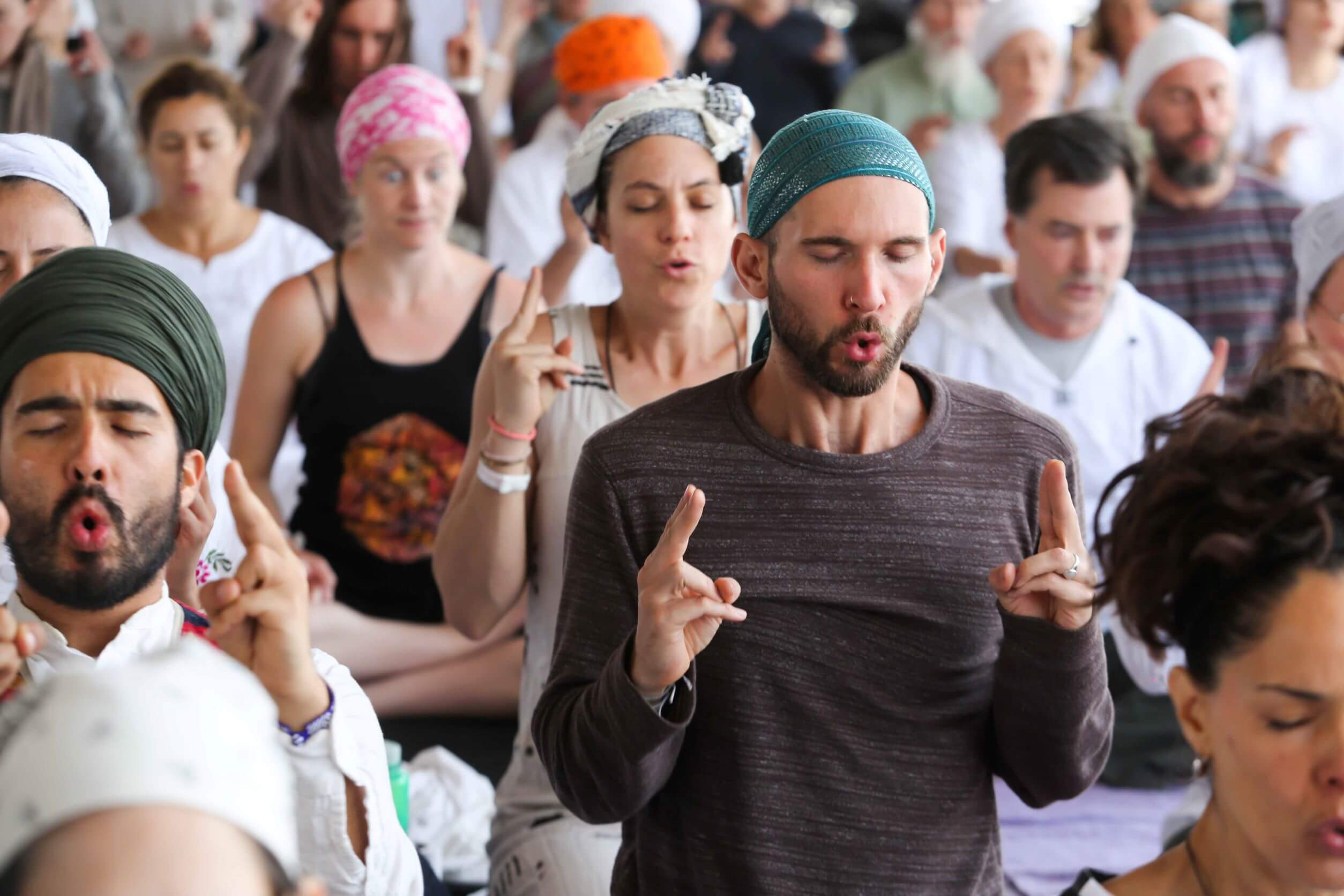
The practice of meditation begins before sitting down. The environment matters: a quiet, sacred space supports focus. Traditionally, practitioners sit on a natural fiber mat or sheepskin, grounding the body and insulating energy. Clothing is loose, comfortable, and often natural fiber, with the head covered to stabilize subtle energies.
Tuning in with the Adi Mantra—Ong Namo Guru Dev Namo chanted three times—sets the meditative tone, connecting the individual to the lineage of wisdom and inner guidance. Light stretches or a short kriya may precede meditation, aligning the body, stimulating the nervous system, and preparing the mind for stillness.
The spine remains straight throughout, serving as the central channel for energy flow. Balanced posture ensures that the nervous system and circulation support the meditative process.
The Process of Meditation: Patience and Practice
A common misconception is that sitting quietly should automatically silence the mind. Instead, meditation reveals how active the mind truly is. Thoughts arise not to frustrate but to be witnessed and released. The instruction is simple: keep returning to the mantra, the breath, or the chosen point of focus.
At first, even one or two minutes of full concentration may seem challenging. With patience and consistency, the capacity grows. Meditation is not measured by perfection but by persistence. Each return to focus strengthens the meditative mind, like muscles building through repeated use.
Over time, the practitioner experiences states of deep comfort and inner expansiveness. These states cannot be described fully, only lived. They invite the meditator back, again and again.
The Science of Time in Meditation
Kundalini Yoga teaches that specific lengths of meditation produce specific effects:
- 3 minutes influence circulation and electromagnetic field.
- 11 minutes begin to shift glandular balance and nervous system activity.
- 22 minutes balance the three aspects of the mind—negative, positive, and neutral.
- 31 minutes affect all the cells of the body and the rhythms of the mind.
- 62 minutes alter brain matter, integrating subconscious patterns with conscious awareness.
- 2 ½ hours reprogram the subconscious and connect the individual to the universal mind.
This science of timing reflects both yogic wisdom and modern findings: sustained rhythmic practices induce measurable changes in brain waves, hormonal secretions, and emotional regulation.
Cycles of Commitment: Building New Patterns
Meditation works not only through single sessions but also through cycles of consistent practice. Yogic tradition outlines these cycles:
- 40 days to break a habit.
- 90 days to confirm a new pattern.
- 120 days to embody the new habit.
- 1,000 days to master it.
Through these cycles, meditation becomes more than a practice; it becomes a new identity. Habits shape destiny, and by reshaping habits through meditation, one reshapes life itself.
Meditation as Daily Sadhana
Meditation is most transformative when woven into daily life as sadhana, disciplined spiritual practice. The early morning hours, known as Amrit Vela, are considered the most potent time. Before the world stirs, the mind is quiet, and the stillness of dawn amplifies the effects of meditation. Evening practice at sunset or before sleep also prepares the mind for rest and renewal.
Whether practiced for a few minutes or extended into long sessions, daily meditation creates stability. It clears the mind’s clutter, strengthens the spirit, and prepares the practitioner to meet the challenges of life with clarity and resilience.
The Role of Mantra in Meditation
Sound is central in Kundalini Yoga meditation. Mantras are not merely words; they are vibratory formulas that restructure the mind. Repetition of mantras like Sat Nam or Wahe Guru creates resonance in the brain and nervous system. The sound vibration imprints new patterns, cleanses subconscious thought, and stimulates centers of higher awareness.
Scientific perspectives confirm this effect: rhythmic sound influences neural networks, enhances memory, regulates emotional states, and induces relaxation. Chanting with the navel engaged further activates energy centers, sending waves of vitality through the body.
Mantra transforms meditation from passive observation into active reprogramming of consciousness.
The Transformative Power of Meditation
Meditation in Kundalini Yoga is both a technology and an art. It sharpens mental focus, stabilizes emotions, and strengthens intuition. It detoxifies the subconscious, balances the glandular system, and enhances the nervous system’s resilience.
Yet beyond these measurable effects lies a subtler transformation. Meditation awakens the awareness of the soul. It opens the practitioner to the guidance of the Infinite, allowing life to flow with greater grace and alignment.
In this sense, meditation is not only about personal well-being but also about fulfilling human potential. A person who meditates acts with clarity, speaks with compassion, and lives with purpose.
Conclusion: Living with a Meditative Mind
Meditation in Kundalini Yoga is more than a practice—it is a way of being. Each session clears the mind, strengthens the spirit, and deepens the connection to truth. Over time, the meditative mind becomes a constant companion, guiding decisions, calming emotions, and opening the heart to the Infinite.
To meditate is to listen to the voice within, to cleanse the shadows of the subconscious, and to live in alignment with the soul. It is a practice for anyone, at any stage of life, bringing clarity, comfort, and awakening.
Kristin
Iv only just found my journey an cant wait to continue. Im extremely excited to see where I go
Gurumeher Kaur Khalsa
Sat Nam Kristin, thank you for reading. We look forward to hearing more from you on your Kundalini journey!