What are Bandhas? The art of gathering and directing energy of yogic locks
Bandhas are precise locks in the body. They collect the result of posture, breath, and attention. They also guide prana and apana so they mix at the navel and rise through the sushumna, the central channel. When that flow stabilizes, clarity grows and the mind steadies.
Kundalini Yoga teaches three main yogic locks: Neck Lock (Jalandhar), Diaphragm Lock (Uddiyana), and Root Lock (Mulbandh). Applied together with correct posture and focus, they form the Great Lock (Mahabandh).
Estimated reading time: 7 minutes
Table of contents
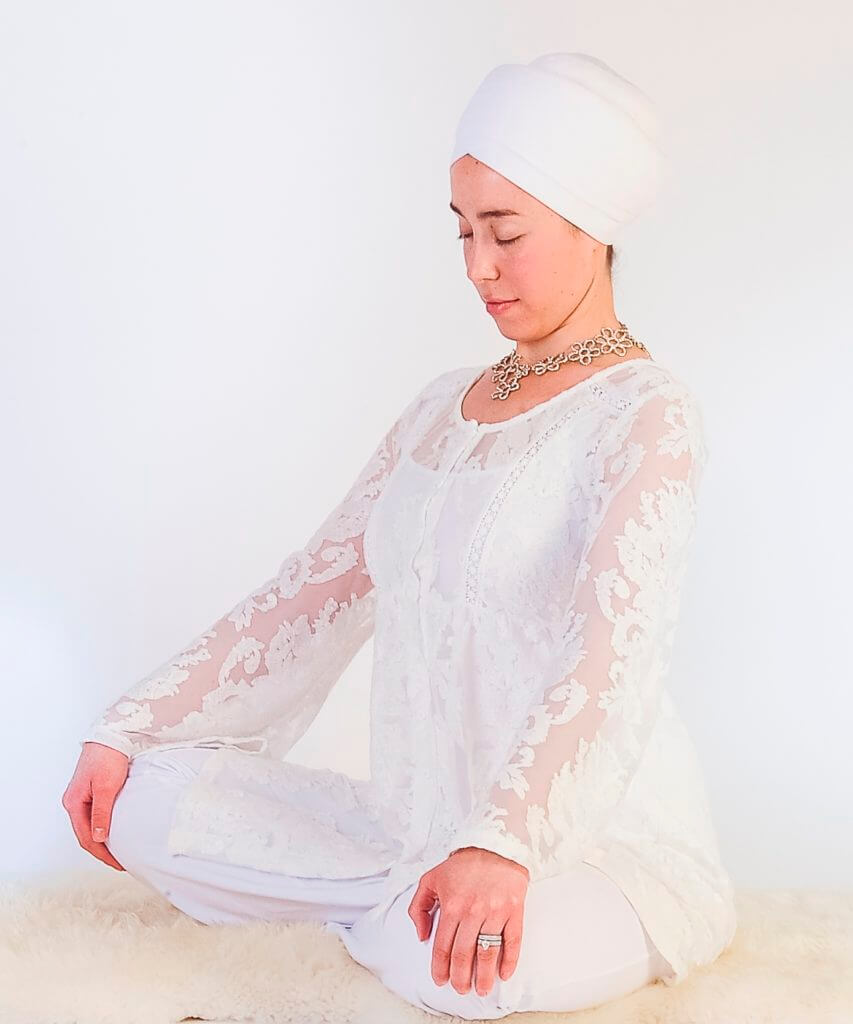
The Bhandas : “three gates” you can open
Tradition speaks of three internal knots. This three Bhandas sit at the base, the heart, and the brow. Mulbandh lifts energy through the first gate. Uddiyana carries that lift into the heart. Jalandhar concentrates subtle “nectar” and opens the higher centers. Mahabandh applies gentle pressure at all three, so the current runs cleanly through.
Neck Lock (Jalandhar Bandha): the quiet seal that centers you
How it looks. Sit with a straight spine. Lift the chest and sternum. At the same time, lengthen the back of the neck. Draw the chin gently toward the throat. Keep the head level and the face soft. Do not jam the head down. The geometry does the work.
When to use it. In most chanting meditations and in many breath holds, apply Neck Lock unless told otherwise. It is a general rule in this tradition.
What it does. Jalandhar helps prevent dizziness from breathwork. It balances pressure, calms the heart, and turns attention inward. It also stimulates reflexes linked with the thyroid and parathyroid. Yogic texts add a poetic note: the lock keeps the brain’s “nectar” from dispersing too quickly and supports healthy dialogue among the pituitary, pineal, and hypothalamus.
Refinement tip. Think “chest up, neck easy,” not “head down.” This frees the upper back, opens the brainstem region, and supports the occipital pump that moves spinal fluid. Focus naturally collects in the central channel.
Diaphragm Lock (Uddiyana Bandha): the upward draw
Why the name matters. Uddiyana means “to fly up.” It is the energy that rises, not the organs. The diaphragm is a physical and energetic gate. Its movement flips polarity in the mid-body and links unconscious drives with conscious choice. Uddiyana crosses that gate and carries pranic flow into the sushumna.
How to apply it. Practice on an empty stomach. Inhale once, then exhale completely. With the breath out, lift the chest and draw the upper abdomen up and back toward the spine. Keep the Navel Point long; do not jam it. Hold only as long as calm allows. Release the abdomen first, then inhale. Keep Neck Lock until the breath returns. A standing version—hands on knees—can help you feel the correct lift.
What you gain. This lock directly massages the intestines and heart. It supports cleansing, youthfulness, and a slower drift toward stiffness. In Kundalini language, it also strengthens the fire element, opens the Heart Chakra, and cultivates patience and compassion. Technically, it teaches the ribs to widen side-to-side and back, which protects the lower back.
Root Lock (Mulbandha): the foundational lift
Mulbandh is the most complex lock. Picture a hydraulic seal at the base of the spine. It coordinates the energies of the rectum, sex organs, and Navel Point. Often you apply it at the end of a posture or breath cycle to crystallize the effect. It is commonly paired with Neck Lock.
How to feel it. The action is smooth and has three parts. First, contract the anal sphincter and sense the inner lift. Next, engage the sex-organ region with a light inner draw. Finally, pull the lower abdomen and Navel Point toward the spine. Over time, learn to isolate the perineum, a neural crossroads that carries clean impulses up the cord. Apply the three actions together, yet keep the face and throat relaxed.
What it achieves. Mulbandh blends prana and apana at the navel. That mix generates inner heat (tapa) and opens the entrance to the sushumna. It also supports proper spinal-fluid flow and begins the shift from gross to subtle awareness.
Mahabandha: when everything aligns
What it is. The Great Lock joins all three bandhas with the breath held out. You meet it after pranayama or sets, often paired with mudras or specific seats.
Why it matters. With all locks engaged, the body enters a healing state. Circulation steadies. Pressure balances. Glands and nerves get a clean reset. Classical notes even mention relief for menstrual cramps and irregularities. The deeper point is simple: you gather, seal, and direct the work you just did.

The body science of Bhandas, in plain words
Bandhas change pressure in the torso and tension along deep fascial lines. Neck Lock steadies the carotid region and eases throat strain, which helps the brain and heart communicate. Diaphragm Lock lifts the central tendon, increases venous return, and widens the ribcage for a more resilient inhale. Root Lock recruits the pelvic floor and deep core, improving continence, posture, and spinal support. As these patterns repeat, the autonomic nervous system learns a calmer set-point. Therefore, heart rhythm steadies, digestion eases, and focus holds longer. Over time, resilience grows because the whole system coordinates.
A narrative practice you can grow into
Arrive (2 minutes). Sit tall. Breathe long and deep. Let the mind settle.
Jalandhar flow (3 minutes). Keep the chest high. Apply Neck Lock as you breathe or chant. Feel the quiet, focused tone.
Uddiyana waves (2–5 minutes). Exhale fully. Maintain Neck Lock. Draw the upper belly up and back. Suspend briefly. Release the abdomen first, then inhale. Rest between rounds. Standing on hands-to-knees is fine.
Mulbandh pulses (3–5 minutes). On each exhale, engage the three parts together. Keep it smooth. Hold only as long as the breath allows. Notice the inner lift.
Taste Mahabandh (2–3 cycles). Exhale completely. Apply Mulbandh, then Uddiyana, then Jalandhar. Stay calm and still. To release, relax the abdomen first, let the inhale return, and lift the chin last. Sit for a quiet minute and feel the echo.
Mastering Root Lock. Short holds with mulbandh train the lower triangle and strengthen digestion. Navel pumping with the breath out builds precision and tone. Practice daily for a few minutes.
Mastering Diaphragm Lock. In Rock Pose, cycle exhale holds with uddiyana for 3–5 minutes. Then alternate Root Lock, Uddiyana, and both together—still with the breath out. Expect a cleansing sweat and a bright mood. Eat lightly on practice days.
Working all the locks. The Doei Shabd Kriya weaves mulbandh with uddiyana and jalandhar while you chant Sat Naam, Wahe Guru. It is a rejuvenator for the entire glandular system.
Safety and good sense
Move gradually. Never force a hold. Uddiyana is only with the breath out and on an empty stomach. If you feel dizzy, return to natural breathing. During pregnancy—or during menstruation—avoid strong abdominal locks and long suspensions. When unsure, choose long, deep breathing and a light Neck Lock.
Frequently asked questions
No. You start light and refine. Small, accurate work creates big change.
In this lineage, yes—unless directed otherwise. It stabilizes pressure and keeps focus steady.
Firm yet gentle. The face stays soft. The throat stays easy. If you strain, you went too far.
Because energy rises through the mid-body gate, integrating feeling and thought.
After pranayama or sets, to crystallize the effect and settle the system.
Takeaway
Bandhas are simple to see and profound to feel. They gather your work and aim it. They steady the mind, protect the spine, and open the inner path. Learn them with care. Use them with humility. Then let their quiet precision shape every practice you do.
Your experience is important!
Share your wisdom with others like you. Leave your comment below