What is a Mudra?
Our hands are more than functional tools; they are an energetic map of consciousness and health. Each part of the hand corresponds to specific body systems, emotions, and behaviors. By bending, crossing, or touching our fingers and palms, we send signals that influence both body and mind. These hand positions are called mudras, and in Kundalini Yoga they act as precise tools for balancing energy.
Just as letters combine to form words, fingers combine to form different mudras, each carrying a unique effect.
Estimated reading time: 5 minutes
Table of contents
The Science Behind Mudras
Modern neuroscience offers insight into why mudras work. Dr. Wilder Penfield’s model of the cortical homunculus shows how the brain maps the body. Areas with more sensory nerves, such as the hands, lips, and face, occupy larger regions of the brain.
Because the hands have refined motor skills and dense nerve endings, their stimulation strongly engages the brain. When we bring fingers together in mudras, we activate these neural pathways. This stimulation supports emotional regulation, focus, and calm.
One well-studied example is Kirtan Kriya, a practice combining mantra, breath, and fingertip mudras. Research shows it improves mood, sleep, and cognition. Imaging studies also reveal changes in brain connectivity and metabolism in regions linked to memory and emotional balance.
Planetary Influence of Mudras
In yogic tradition, each finger connects to a planet and its qualities:
- Thumb – represents the self.
- Index finger (Jupiter) – knowledge, wisdom, receptivity.
- Middle finger (Saturn) – patience, commitment, responsibility.
- Ring finger (Sun/Uranus) – vitality, health, intuition.
- Little finger (Mercury) – communication and expression.
For this reason, yogis advise against wearing rings on the middle finger, as Saturn “already has rings.” Adding one may overload its energy.
Active vs. Passive Mudras
In Kundalini Yoga, most mudras are passive, where the thumb touches the fingertip. An active mudra places the thumb on the fingernail of a finger, applying more pressure. Passive mudras promote calm focus, while active mudras intensify stimulation.
Common Mudras in Kundalini Yoga
Gyan Mudra (Seal of Knowledge)

- How to do it: Touch the tip of the index finger to the tip of the thumb. Keep the other fingers straight.
- Effect: Promotes wisdom, receptivity, and calm.
- Planet: Jupiter (expansion and knowledge).
Shuni Mudra (Seal of Patience)
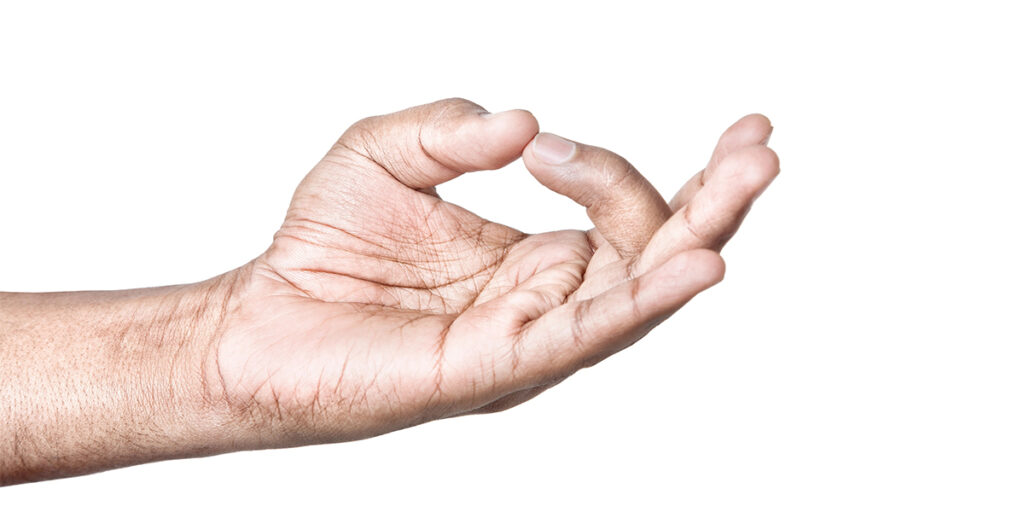
- How to do it: Touch the tip of the middle finger to the tip of the thumb. Keep the others straight.
- Effect: Encourages patience, discipline, and responsibility.
- Planet: Saturn (focus and commitment).
Surya or Ravi Mudra (Seal of the Sun)
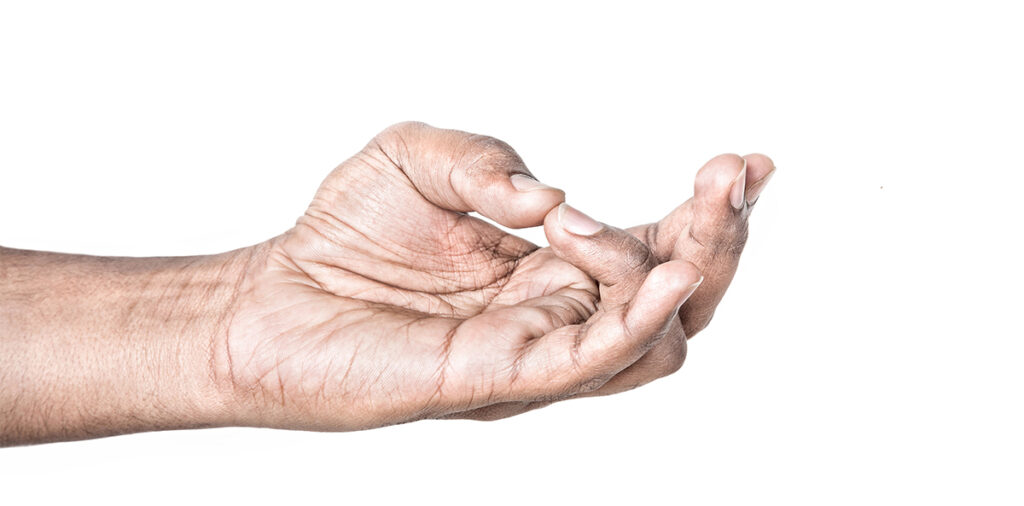
- How to do it: Touch the tip of the ring finger to the tip of the thumb.
- Effect: Supports vitality, good health, and nervous endurance.
- Planet: Sun (life energy) or Uranus (intuition and change).
Buddhi Mudra (Seal of Mental Clarity)
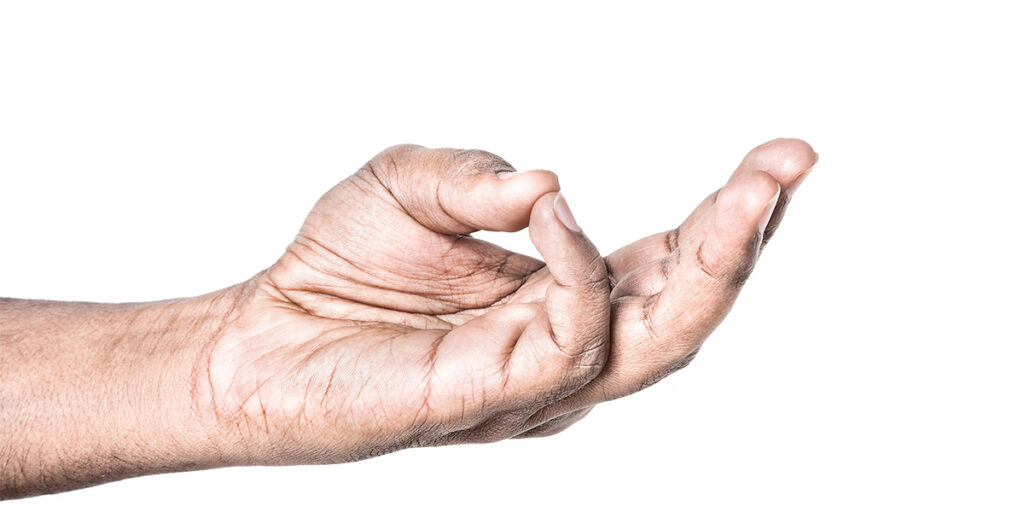
- How to do it: Touch the tip of the little finger to the thumb.
- Effect: Enhances communication and intuitive clarity.
- Planet: Mercury (speed and communication).
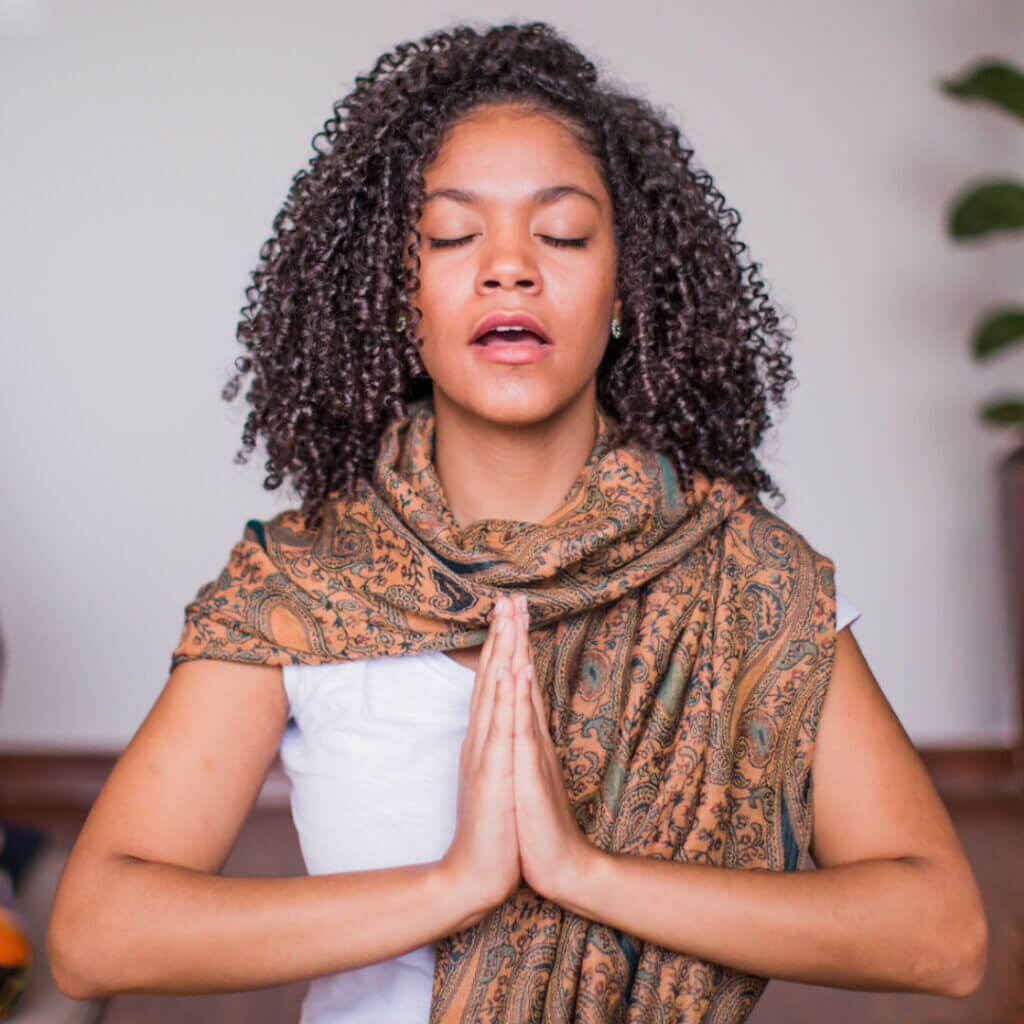
Prayer Mudra (Pranam Mudra)

- How to do it: Place palms together with thumbs pressing lightly at the sternum.
- Effect: Balances right (solar) and left (lunar) energy. Stimulates the vagus nerve, pituitary, and pineal glands, creating a meditative state.
- Notes: This mudra neutralizes polarity and opens space for prayer to arise from the heart.
Why Mudras Matter in Kundalini Yoga
Mudras are more than symbolic gestures. They create physiological, psychological, and energetic shifts. From a scientific perspective, they stimulate brain regions tied to focus and emotional regulation. From a yogic view, they link us with planetary energies and qualities that guide consciousness.
Together with breath, mantra, and meditation, mudras form a complete toolkit for awakening awareness and supporting well-being in daily life.
Umendra Kumar Dwivedi
Very helpful useful
Gurumeher Kaur Khalsa
Sat Nam, glad you enjoyed the content!
Kristi
Thank you. I am looking for folding hands mudra and the mudra where the fingers are interlaced and finger tips pressed together, and hands fold over the fingers while thumbs cross.
I am curious about the benefits of these.
Gurumeher Kaur Khalsa
Sat Nam Kristi, thank you for reading! Can you be a bit more specific in the mudras you are describing? I am not sure what you are trying to explain. Are you refernecing several different mudras, or trying to explain a very specific one?