“Kundalini Yoga is the science to unite the finite with Infinity, and it’s the art to experience Infinity in the finite.”–Yogi Bhajan
Kundalini Yoga is often called the Yoga of Awareness. It’s a comprehensive practice that involves postures, breath, meditation, mantra, and music, which are meant to deliver a felt experience of vitality, clarity, and inner balance.
It has always been a path for householders that brings every human being tools to live a happier and conscious life. This particular way of experiencing Yoga, allows every facet of life to lift up, and families, relationships, and the work area are touched by the practice and awareness that Kundalini Yoga brings.
As a practice to bring awareness, it is accessible to everyone, universal and non-denominational, and can be experienced by beginners in yoga and experienced practitioners of yoga or meditation.
At its heart, Kundalini Yoga works directly with prana – the body’s life force – to organize mental, physical, and nervous energy under the guidance of the will which is the instrument of the Soul. In doing so, the practice supports the glandular and nervous systems, helping you meet life from steadiness rather than stress.
Estimated reading time: 11 minutes
Table of contents
What is Kundalini Yoga?
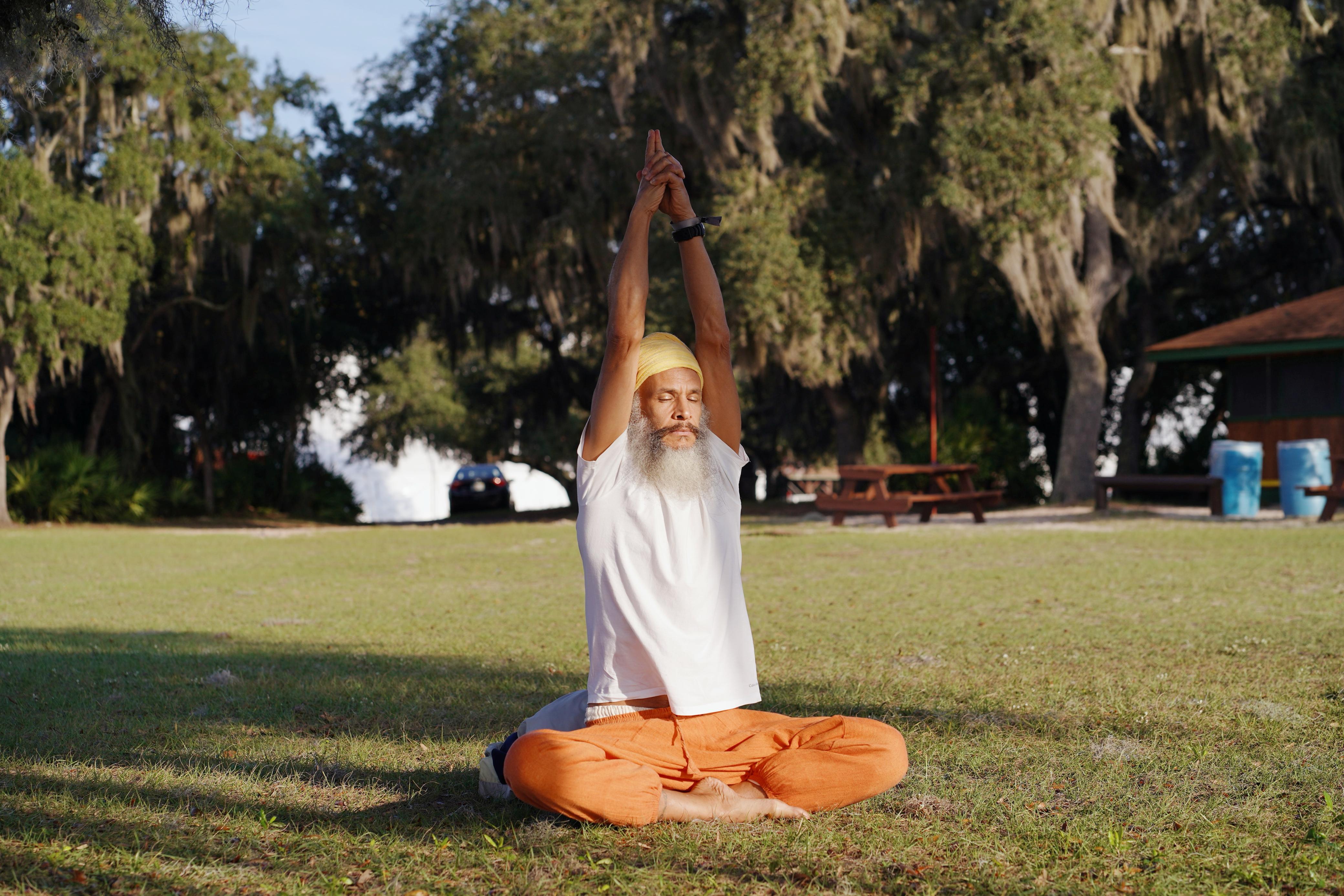
In its root, Kundalini is described as “the curl of the lock of hair of the beloved.” This is a very poetic image for the innate current of energy and consciousness within each of us. Seen in this way, the Universal Energy’s hair is divided into infinite single hairs, and each one of them is our Kundalini Energy connecting us to the Source. When we awaken this energy, we link individual awareness with universal awareness. And that is the state of Union that Yoga manifests.
“The beauty of Kundalini Yoga is that if you can just physically sit there, fix the automatic rhythm of your pranayam (breath control), and add a creative naad (inner sound), your mind becomes focused and balanced. In one kriya you can immediately achieve a complete physical, mental, and spiritual balance. It works so effectively and quickly because of this completeness, balance, and energy.”
–Yogi Bhajan
Because this tradition is practical in its design, it uses conscious breathing, rhythmic movement in diverse postures, mudras (hand gestures), eye focus, meditation and mantra to produce the effects and benefits in the body and mind.
A householder path made for you

“I felt that people in the West needed the type of [yoga] system which could give them a positive realization and awareness in a short time. That system had to be strong enough and practical enough that any householder could practice it. There is no better system known to me than Kundalini Yoga.
–Yogi Bhajan
Unlike yoga paths that demand withdrawal from daily life, Kundalini Yoga empowers people to thrive in the world, using creativity to manifest and live with purpose. This practice builds awareness in every aspect of life. From the very first class, practitioners feel its benefits—greater clarity, balance, and a sense of coming home to themselves.
What happens in a Kundalini Yoga Class?
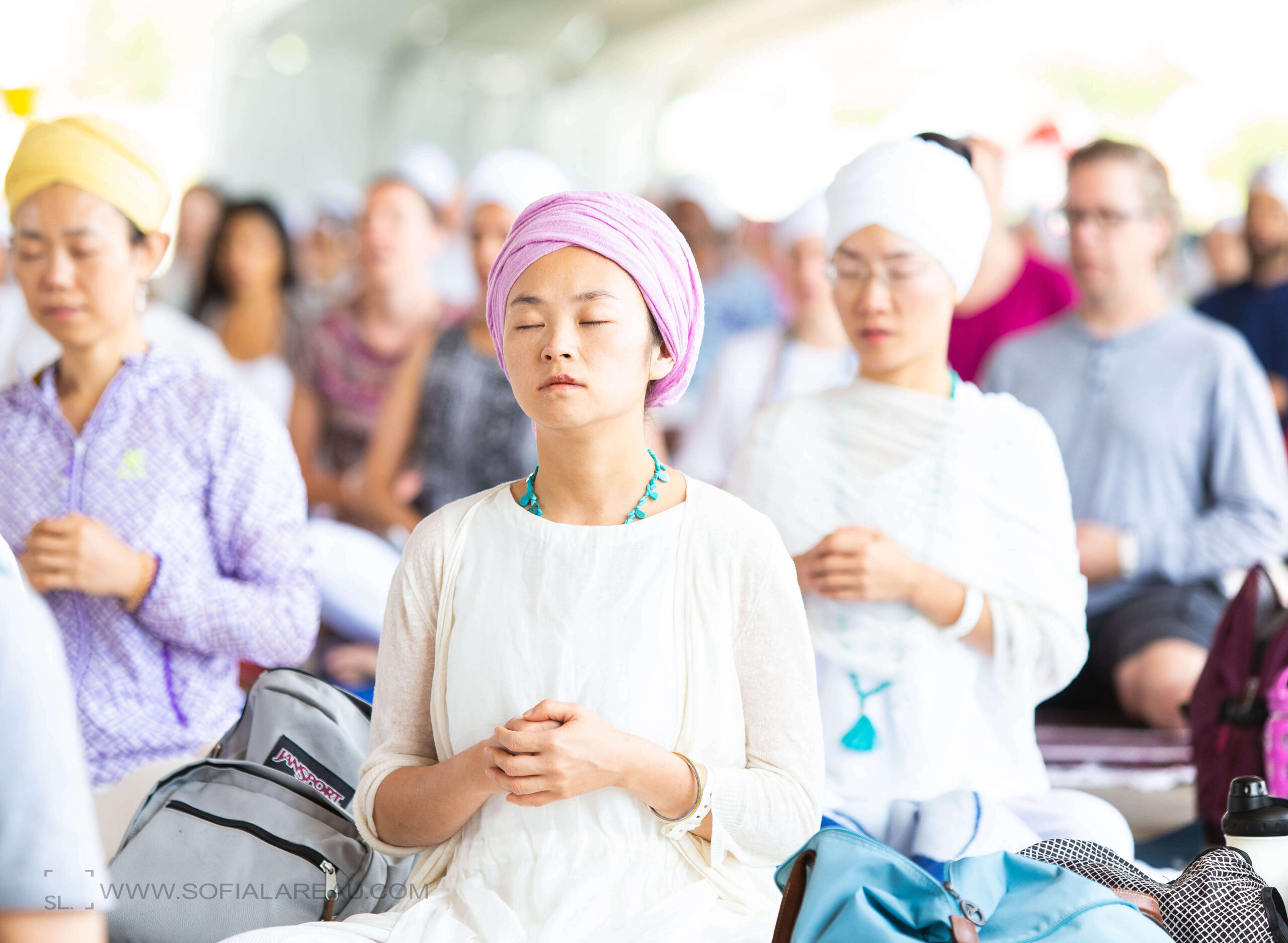
“It is the science to make you so potent, so powerful, and so pure that you can face every challenge of life with grace.”
–Yogi Bhajan
As a very clear and structured spiritual science, wherever you take a Kundalini Yoga class you will recognize a familiar sequence of six core components:
- Tune in with the mantra Ong Namo Guru Dev Namo to open the connection with your own inner wisdom.
- Pranayama, also known as breathwork, can involve warm-ups with the body, too.
- Kriya is the specific sequence of exercises and body postures done with conscious breathing and sometimes involving mantras.
- Relaxation, the part of the class in which you lie down to relax and allow the body and mind to integrate the benefits of the Kriya.
- Meditation, where you calm and focus your mind, often using mantra, mudra, and eye focus. Breathwork can be part of it, and the meditation gives the mind a sense of calm and steadiness.
- Closing with the “May the Long Time Sun” song.
A typical class will last about 60 to 90 minutes. Some classes go deeper with lectures on lifestyle topics, deepening awareness of mantra, breath, or other components of Kundalini Yoga, and they will be longer classes.
Kriyas can be gentle or physically challenging. Some include powerful breath practices, like Breath of Fire, which strengthen the nervous and endocrine systems and help train your focus and will.
When you are a beginner, it is best to share it with your Kundalini Yoga Teacher, and to always pace yourself during the practice.
It is very common to use mantra and Naad, the specific sound current that brings you deep awareness, and these tools help steady the mind and center yourself. There are also silent practices, directing you to an inner stillness called Shuniya. Both practices, sound and silent, cultivate clarity and neutrality.
How Kundalini Yoga works (in simple words)
Kundalini Yoga works with the Life Force called Prana, which is your body’s inner force, the vital energy that makes everything move and work in your body’s system.
It is not just the physical breath or your heartbeat and blood flow, it is the subtle force and energy that flows through the body, the mind, and nature.
“Mind and breath are the same thing. If you control your breath, you control your mind.”
–Yogi Bhajan
Kundalini Yoga is known to assist change and self-limiting habits.
- It is a transformational system designed to release blocks to the reservoirs of untapped energy within us.
- It is designed to balance the glandular system and revitalize the nervous systems.
- It works to build, clear, and balance the subtle systems of the nadis (energy channels) and the chakras.
- It includes hydrotherapy, breathing techniques (pranayama), and other practices for optimal health.
- It is an art and a science.
When energy moves freely through the chakras, it stimulates the mental, physical, and spiritual health of the being. There is a clarity that arises that combines perception, thought, and intuition.
With this combination, the practice helps to balance the glandular function, fortify the nervous system and organize your thoughts and emotions, so you act from centeredness rather than reactivity.
Benefits of Kundalini Yoga
Scientific research shows that Kundalini Yoga offers significant benefits for both mental and physical health. Studies indicate that regular practice can improve memory, attention, and brain plasticity, providing neuroprotective effects for older adults and people at risk of Alzheimer’s disease.
Kundalini Yoga actively reduces stress and anxiety by lowering cortisol levels and supporting better emotional regulation. Clinical studies have shown positive results for conditions such as generalized anxiety disorder, obsessive–compulsive disorder (OCD), and recovery from chronic illness, with improvements in mood, cognition, and overall quality of life.
On a physical level, Kundalini Yoga can help lower blood pressure, improve circulation, ease chronic pain, and increase strength and flexibility. These combined effects make it a holistic practice that enhances resilience, supports healthy aging, and strengthens your ability to handle life’s challenges.
In short, Kundalini Yoga promotes integral well-being—nurturing the mind, energizing the body, and empowering you to live with greater balance and awareness.
- A more stable nervous system and balanced glands
- Improved postural flexibility and overall muscular engagement through varied sequences
- Enhanced lung capacity and circulation via focused pranayama (breathwork)
- Greater mental clarity, focus, and neutrality through meditation and mantra
It is important to understand that Kundalini Yoga is for everyone, it is a universal practice that uses your own natural resources—your body movement, your breath, your own voice—to attain this state of natural bliss.
The practices are adaptable (you can sit in a chair or adjust a posture, always with the guidance of the teacher) so you can practice in every health condition and the results can be felt from the start.
History and Origins
The concept of Kundalini has very ancient roots. It grew out of India’s spiritual traditions, appearing in the Vedic hymns, the wisdom of the Upanishads, and later in classics such as the Bhagavad Gita and the Yoga Sutras of Patanjali. Over time, devotional, tantric, and philosophical schools added practices of breath, mantra, meditation, and discipline that became part of what we now call Kundalini Yoga.
At its heart, Kundalini Yoga is a science of sound and vibration, known as Naad. The universe is understood as vibration, and through mantra—the creative projection of the mind—we align ourselves with that universal current. Even without knowing the literal meaning of the words, chanting mantras changes our mental state, uplifts the spirit, and harmonizes body, mind, and soul.
Yogi Bhajan and Kundalini Yoga
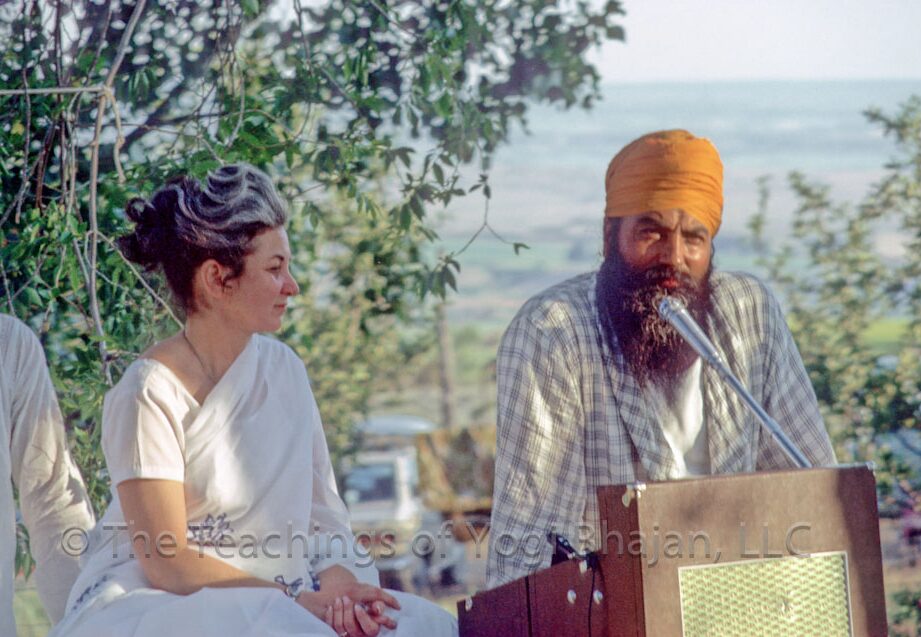
In modern times, this tradition was brought forward by Yogi Bhajan, who shared Kundalini Yoga openly in the West. He always pointed to his spiritual guide, Guru Ram Das, the fourth Sikh Guru, known for humility, healing, and compassion. Yogi Bhajan spent years serving at the Golden Temple in Amritsar, where he felt embraced as a son of the House of Guru Ram Das. He described this lineage as a stream of grace and service—open to everyone, beyond conversion or dogma. From this house of humility and love, Kundalini Yoga came into the modern world as a practice to uplift, heal, and awaken human potential.
Kundalini Yoga was brought to the West in 1968 and then taught publicly in 1969 by Yogi Bhajan. This was the ending of a long era of secrecy in which the teachings were passed orally from master to selected disciple.
In opening the teachings, Yogi Bhajan made a practical and transformative path available to anyone who has the longing to practice.
“The purpose of Kundalini Yoga is to awaken your awareness and take you into your original self.”
–Yogi Bhajan
Some key terms that you will hear (quick glossary)
- Kriya: A complete, specific sequence of postures, breath, and focus designed to create a precise effect. Each and every Kriya is already designed and has this detailed structure, it is standardized and does not vary in its components or instructions.
- Pranayam: Breath techniques used to regulate the prana, this vital force detailed before. Some of the most frequent pranayama practices used in Kundalini Yoga are Breath of Fire, Sitali Pranayam, Long Deep Breathing, and alternate nostril breathing.
- Mantra and Naad: A mantra is a sequence of specific sounds that create waves of vibration affecting the mind, and Naad is the universal sound current through which these vibrations connect us to a deeper state of awareness. This special sound and sound current are used to focus the mind and uplift the spirit.
- Mudra: Hand positions that seal and direct the energy.
- Bandhas: constriction of a particular area of the body to move the energy within.
- Drishti: Eye focus used during postures or meditation.
- Shuniya: Profound inner stillness cultivated through the practice of Kundalini Yoga and meditation.
How to start your practice
Start with a local class and go at your own pace. You will tune in, warm up your body and breath, practice a kriya, relax and meditate. After this, the class will close with the gratitude and blessing song. There are no requirements at all to begin the practice of Kundalini Yoga.
Many practitioners also enjoy a regular personal practice (sometimes in the early morning, called “ambrosial hours”). This is optional, and the key to continue growing in your practice and awareness is consistency.
Frequently Asked Questions
Kundalini Yoga is a dynamic practice that combines movement, breathwork, meditation, and mantra to awaken your inner energy and support physical, mental, and spiritual well-being.
Regular practice can reduce stress, improve focus, increase vitality, balance emotions, and create a deeper connection with yourself.
No. Kundalini Yoga is accessible to all levels. The emphasis is on breath and awareness rather than physical flexibility.
Yes. Teachers guide students step by step, and you can always modify exercises to suit your body. Go at your own pace.
Comfortable, modest clothing that allows free movement. Many practitioners prefer natural fabrics and light colors, but the most important thing is to feel at ease.
You only need a yoga mat. A light blanket or shawl for relaxation and meditation can also be helpful.
Even one or two classes a week can bring noticeable changes. Consistency over time is more important than intensity.
Mantras are sacred sounds or phrases chanted to focus the mind, raise vibration, and open the heart. They help create a meditative state even for beginners.
Yes. Many people practice Kundalini Yoga specifically for its calming effects, improved emotional balance, and ability to manage stress.
You can look for certified teachers in your area or join live and recorded classes online through trusted organizations like 3HO.
Ready to experience Kundalini Yoga?
The best way to understand Kundalini Yoga is to experience it for yourself. Reading about the practice gives you a glimpse, but the real transformation happens when you join a class and feel the effects directly in your body and mind.
You don’t need to be flexible, experienced, or “spiritual” to begin. All you need is curiosity and the willingness to try. In every class, instructors guide students step by step, making the practice accessible for complete beginners as well as advanced practitioners.
How can you ensure the best experience?
- Find a KRI-certified teacher near you — connect with a community and experience the energy of group practice.
- Start small and be consistent — even a few minutes of breathwork or meditation each day can make a difference.
Practice with guidance — in person or online
The most powerful way to learn Kundalini Yoga is with a certified teacher who can guide you in real time and support your journey. If joining an in-person class is not possible right now, our online library offers a trusted next step.
Explore a growing collection of kriyas, meditations, breathwork, and educational resources on the 3HO website — designed to help you practice safely, consistently, and at your own pace, wherever you are.
Visit the practices section here
Kundalini Yoga is not about perfection. It’s about connecting with yourself, reducing stress, and building the inner strength to navigate life with more awareness and balance.
Find a class, bring your breath, and begin. Kundalini Yoga meets you where you are and it lifts you from there.
Your experience is important!
Share your wisdom with others like you. Leave your comment below